

treatment for lower back and neck pain
What are lower back pain and neck pain?
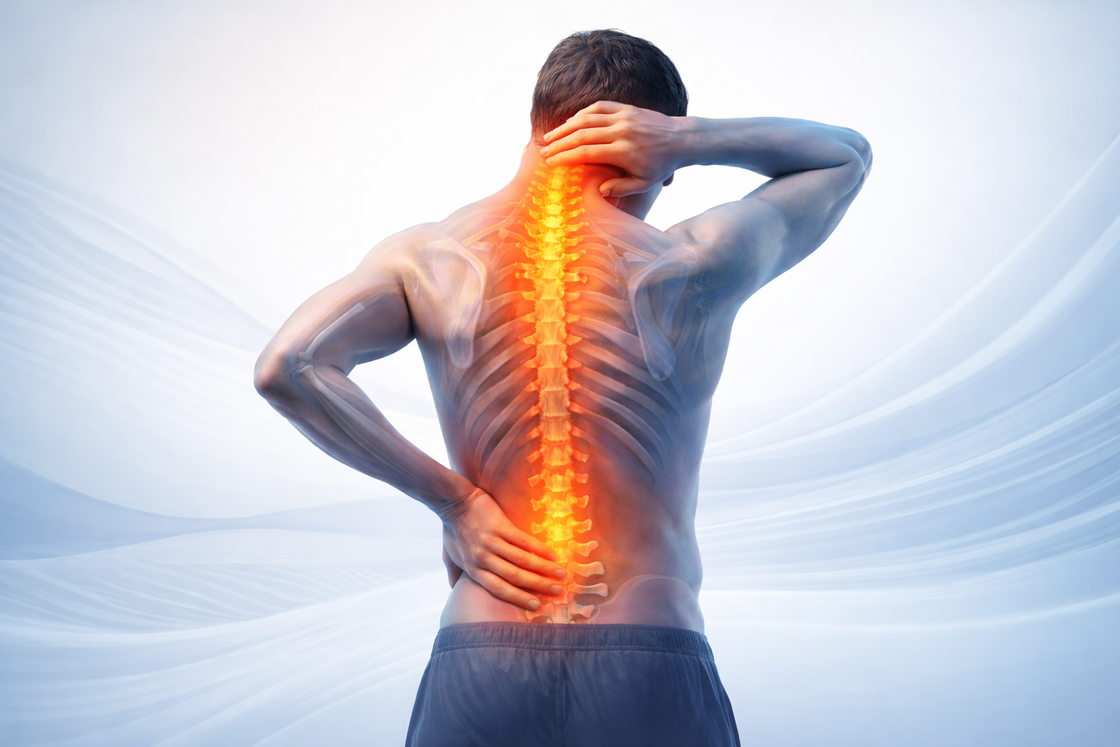
Lower back pain is a very common condition: it is pain in the lumbar region of the spine, in other words, the lower back. It may remain confined to this area or develop into sciatica, with pain radiating along the sciatic nerve from the buttock to the foot.
This part of the spine, made up of 5 vertebrae, is involved in many movements and, in addition to supporting an upright posture, allows you to rotate, flex and bend your trunk sideways. Neck pain is pain in the neck and head that can cause tension headaches. Pain in the neck can radiate to the shoulders and arms, all the way down to the hand.
Symptoms of lower back and neck pain
The main symptom of lower back pain is pain in the lower back.The main symptom of neck pain may be weakness or a feeling of heaviness in the neck, which can develop into pain throughout the neck or in one area or on one side. It may spread to the head or shoulders and cause tension headaches and muscle-tension headaches.
Causes of lower back and neck pain
Lower back pain can be caused by a strain of the muscles or ligaments. It can come on suddenly while lifting a heavy object from the ground to above waist level, a condition known as “lumbago.” The pain may be constant or ease when you change position or do light physical activity. If the pain radiates into the lower limb on the affected side, it may be sciatica. Many factors can cause lower back pain:
disc conditions such as bulging or herniated discs, or muscle disorders
scoliosis, kyphosis or hyperlordosis
rheumatic diseases
vertebral sprains and fractures
osteoarthritis and osteoporosis
poor posture
With neck pain, too, the pain may be constant or ease when you change position
Neck pain can have many causes and is one of the most common reasons for muscle tightness. Tension in the neck muscles can lead to tension headaches.
stress
lack of sleep
whiplash
postural imbalances
the treatments
Treatments for lower back and neck pain
Sciatica is usually treated with a combination of physiotherapy, provided at the clinic by Dr Barbera, and pain-relieving and anti-inflammatory medication, prescribed and monitored by the patient’s doctor. The treatments used for lower back pain include:
Massage Therapy
Relaxation
Postural re-education
More
intensive exercises
intensive exercise programs to control and improve muscle tone.
The importance of postural re-education

Postural re-education is essential because it aims to correct the often incorrect postures adopted in everyday life, which are often the cause of chronic lower back pain.
Rehabilitation for the lumbar spine consists of stretching and strengthening exercises for the abdominal and lower back muscles, performed under the doctor’s supervision. The patient can and should continue these exercises at home. If a muscle condition is contributing to and sustaining the lower back pain, sessions of muscle-relaxing massage will also be provided. Neck pain is treated with:
Re-education and mobilization techniques
Stretching
Stretching combined with therapeutic massage to relieve muscle tension
FAQs about treatment for lower back and neck pain
Frequently asked questions
What’s the difference between lower back pain and neck pain?
Lower back pain is pain in the lower back, while neck pain affects the cervical region—the neck—and may extend to the head, shoulders and arms.
What are the most common symptoms?
Symptoms include localized pain, stiffness, muscle tension, headaches, difficulty moving and, in some cases, pain radiating to the upper or lower limbs.
What causes lower back and neck pain?
There may be many causes: poor posture, stress, a sedentary lifestyle, injuries, herniated discs, muscle contractures or joint disorders.
When can back pain develop into sciatica?
When lower back pain radiates along the sciatic nerve, from the buttock down the leg, it is known as sciatica.
How are lower back and neck pain treated?
Treatment may include physiotherapy, targeted exercises, postural re-education and, if necessary, medication prescribed by a doctor.
Can physiotherapy help with these conditions?
Yes, it is essential for reducing pain, improving mobility and correcting postural causes that often underlie the problem.
Book an appointment or request information
Whether you are looking for a specialist physiotherapy program or would like more information about teaching activities, Dr. Anna Barbera’s website is designed to help you find clear answers and a reliable professional resource. In the contact section, you can find locations, contact details and how to request an appointment.
VAT No.: 01611240183
info@annabarbera.it
Locations and contact details
Dr. Anna Barbera works at several locations to provide accessible, professional care.
Choose the nearest location and book your appointment.


